
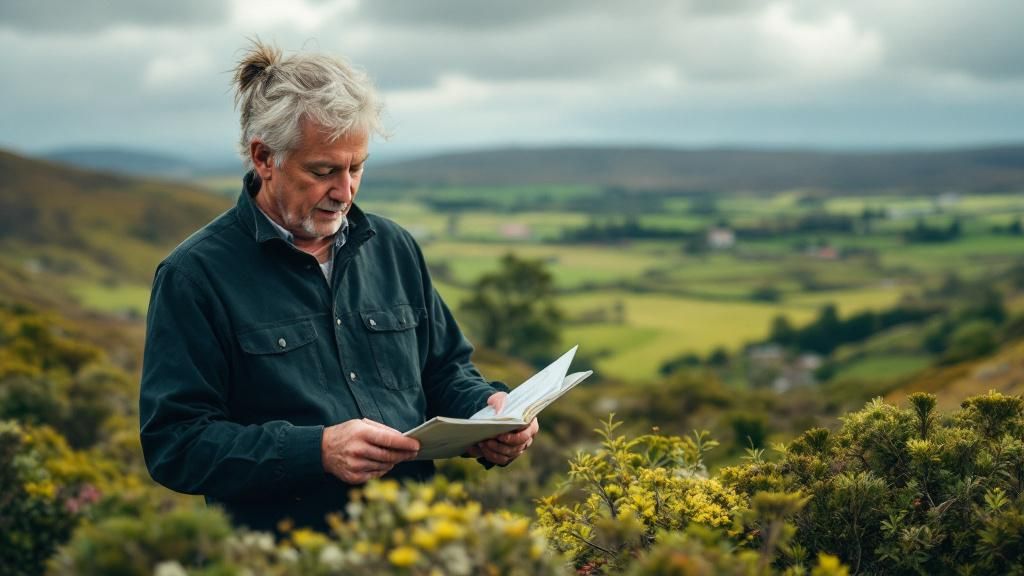
As global expansion threatens linguistic diversity across the British Isles, cultural language schemes have emerged as vital lifelines for Scots Gaelic language and Wales’s Welsh forms. These initiatives, combining formal education with local participation, are reversing prolonged language loss and restoring community identity amongst young people. This article investigates how committed teachers and devoted populations are safeguarding these ancient Celtic tongues, analysing effective initiatives, their documented effects on speaker populations, and the wider significance for protecting the nation’s language legacy.
The Value of Gaelic and Welsh Conservation
The Celtic tongues of Scotland and Wales represent invaluable storehouses of cultural identity, historical understanding, and linguistic variety. These historic languages carry within them centuries of heritage, oral tradition, and distinctive worldviews that cannot be properly conveyed into English. Without concerted preservation efforts, the loss of Gaelic and Welsh would diminish not merely Scotland and Wales but also the entire cultural landscape of the British Isles. Heritage language programmes therefore serve as essential guardians of this invaluable linguistic legacy.
Beyond cultural significance, maintaining Celtic dialects offers significant cognitive and social benefits to speakers and communities alike. Research shows that bilingualism improves cognitive flexibility, problem-solving skills, and academic performance amongst younger students. Furthermore, these languages reinforce community connections and foster a sense of belonging amongst speakers. By supporting heritage language programmes, Scotland and Wales are not merely maintaining historical records; they are cultivating vibrant, living languages that enhance the experience of contemporary speakers and future generations.
Current Heritage Language Initiatives in Scotland
Scotland’s approach to Gaelic preservation has developed considerably over the past few decades, with many heritage language programmes now operating across the country. The Gaelic Medium Education (GME) initiative serves as a cornerstone of these initiatives, delivering intensive teaching through the use of Gaelic from primary through secondary education. Complementing classroom learning, local community groups such as Sabhal Mòr Ostaig and local Gaelic societies deliver adult learning opportunities and community events that strengthen language skills and promote passing down between generations of the language.
Beyond conventional educational settings, online channels and multimedia projects have revolutionised access to Gaelic learning resources. BBC Alba, Scotland’s Gaelic-language television channel, airs learning material alongside entertainment, whilst online courses and mobile applications enable learners to learn at their own pace. These diverse initiatives collectively demonstrate Scotland’s commitment to reversing Gaelic’s long-term decline, creating pathways for speakers of all ages to engage with their heritage language and participate actively in Scotland’s thriving Gaelic-speaking community.
Welsh Language Revitalisation Initiatives
Wales has established extensive language revitalisation initiatives that have significantly increased Welsh speaker numbers over the past two decades. The Welsh Government’s dedication to learning-focused measures, such as mandatory Welsh immersion schooling and dual-language curriculum design, has developed a generation of proficient speakers. These programmes place emphasis on early-years language immersion, understanding that foundational language learning during formative years yields the most sustainable results for sustained speaker numbers and cultural sustainability.
Community-led initiatives enhance established education systems, promoting authentic speaking patterns beyond classroom settings. Welsh language centres, cultural festivals, and web-based resources create chances for individuals regardless of age to practise and celebrate their heritage. These local movements have cultivated active Welsh-speaking networks, particularly in urban centres where the language was in retreat. The combination of official resources and public engagement shows how multifaceted approaches successfully counteract language decline and improve language passing between generations of this ancient Celtic tongue.
Challenges and Future Prospects
Despite considerable progress, heritage language programmes encounter substantial obstacles that threaten their ongoing sustainability. Financial limitations continue to be a persistent challenge, with many initiatives dependent upon state support and philanthropic contributions that vary annually. Additionally, rivalry with dominant languages and online platforms in English generates formidable barriers to engagement. Teachers specialising in Celtic dialects stay in limited availability, and educational integration across conventional schooling continues to be inconsistent. These structural impediments necessitate ongoing governmental support and significant funding to address effectively.
Looking ahead, the long-term outlook of Gaelic and Welsh preservation depends on forward-thinking strategies and community-led initiatives. Advanced technology platforms, including immersive digital platforms and social media engagement, provide valuable potential to connect with young people. Growth in early learning services and strengthening university-level Celtic studies programmes will cultivate a lasting foundation of fluent speakers and teachers. Ultimately, embedding these languages throughout local communities—through workplace initiatives, cultural events, and family-focused education—remains essential for ensuring these precious linguistic treasures survive for generations to come.
